News By Zenvor News
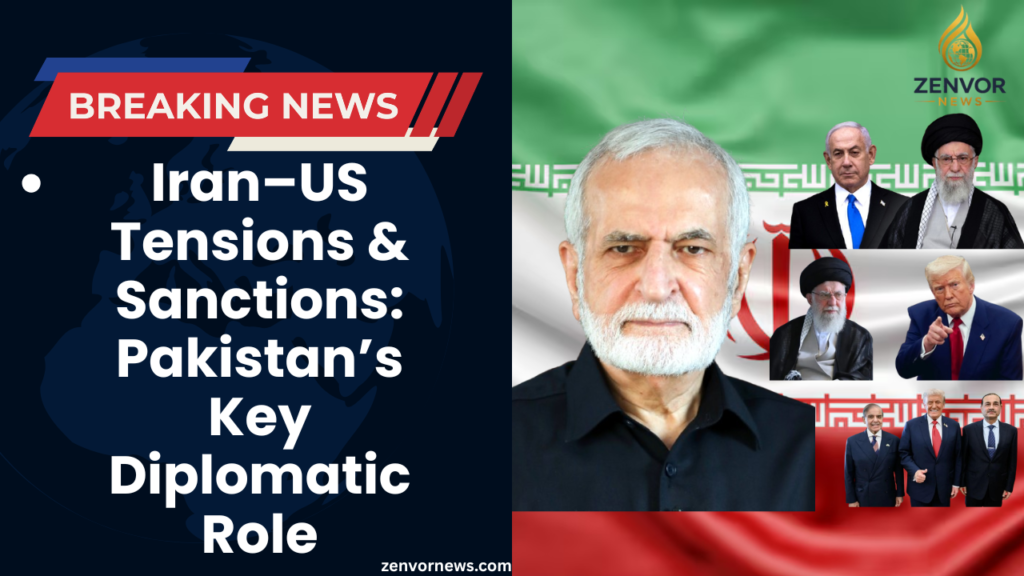
The ongoing diplomatic developments surrounding Iran and the United States have entered a decisive phase, with Pakistan emerging as a central hub for negotiations. The recent arrival of Abbas Araghchi in Islamabad signals a major step forward in efforts to reduce tensions and move toward a peaceful resolution.
High-Level استقبال Reflects Deep Trust
According to official confirmation from Pakistan’s Foreign Office, the Iranian delegation led by Abbas Araghchi has arrived in Islamabad. He was received at the highest level by:
- Ishaq Dar
- Asim Munir
This high-level استقبال (reception) is being viewed as more than just protocol—it reflects:
- Strong mutual trust between Pakistan and Iran
- A sense of regional brotherhood and strategic alignment
- Iran’s confidence in Pakistan as a neutral and reliable mediator
Pakistan as a Trusted Diplomatic Bridge
Experts believe that Pakistan’s role in these negotiations is both historic and highly responsible:
- It has maintained strict confidentiality during sensitive discussions
- It has facilitated communication between opposing sides without public exposure
- It has resisted misinformation and speculative narratives
In conflict-time diplomacy, such discretion is critical for building trust and achieving results.
Parallel Arrival of US Delegation
Another major development is the expected arrival of a U.S. delegation, including:
- Jared Kushner
- Steve Witkoff
Their visit indicates that:
- Pakistan is now hosting both sides of the conflict
- مذاکرات (negotiations) are entering a more structured and possibly निर्णायक phase
- The coming days could bring tangible progress
A निर्णायक Week Ahead
Analysts suggest that the upcoming week could be critical:
- The next round of talks may move toward a final-stage framework
- Key issues from both sides could be “ironed out”
- While a formal agreement may take time, the groundwork is likely to be established
Even if final signatures are delayed, the direction toward peace appears clearer than before.
Global and Domestic Pressure for Peace
Several factors are pushing all parties toward negotiation:
- Growing global fatigue with prolonged conflict
- Economic pressures, including rising energy costs
- Internal debates within countries involved in the crisis
Additionally, upcoming global engagements—such as potential high-level visits involving Donald Trump—add urgency to resolving tensions.
Pakistan’s Diplomatic Success and Global Recognition
Pakistan’s efforts have received increasing international acknowledgment:
- Recognized as an honest and effective mediator
- Trusted by both Iranian and American leadership
- Supported by global stakeholders, including major powers and regional allies
This role is particularly notable given that such mediation is traditionally expected from global institutions like the United Nations.
Strategic Importance for Pakistan
Pakistan’s involvement carries significant implications:
- Enhances its global diplomatic standing
- Demonstrates strategic maturity and leadership
- Positions Islamabad as a केंद्र (center) for international conflict resolution
This reflects not just policy success but also sustained diplomatic effort over recent months.
Conclusion
The arrival of Iran’s Foreign Minister and the expected حضور (presence) of U.S. officials mark a turning point in the الأزمة (crisis). Pakistan’s role as mediator has evolved into a निर्णायक factor in shaping the مذاکرات process.