
News By Zenvor News
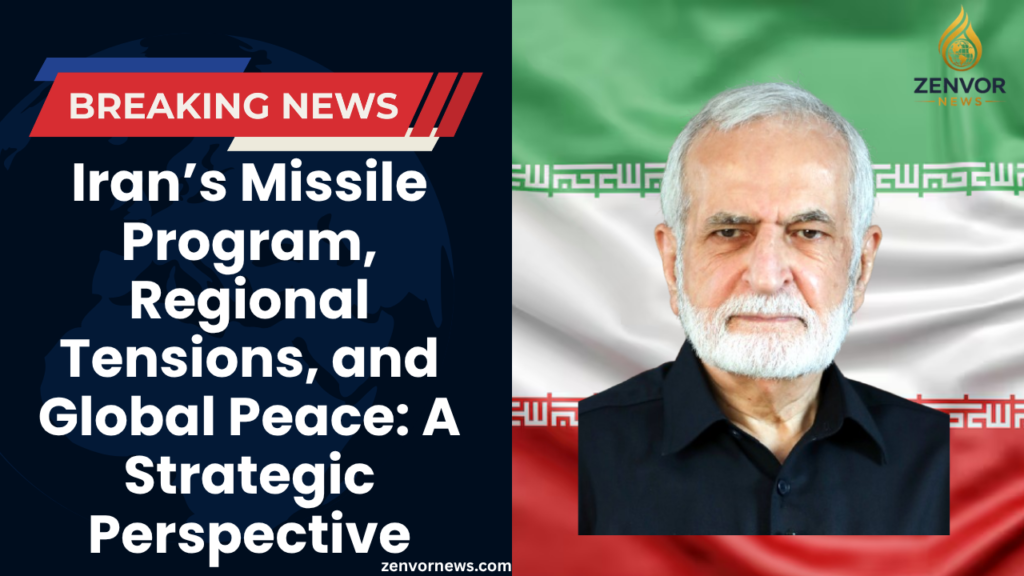
Iran’s ballistic missile program has long been considered a critical pillar of its defense strategy. In recent conflicts, including the 2025 escalation, these missiles have effectively acted as a “lifeline” for Iran’s defense posture. The key question remains: will Iran ever agree to roll back its missile program?
Iran’s Stance on Nuclear and Missile Capabilities
When it comes to nuclear capability, Iran has already shown some level of flexibility. Iranian leadership has repeatedly stated that they are not pursuing nuclear weapons. They have indicated willingness to comply with international limits on uranium enrichment—such as maintaining enrichment levels around 3% for peaceful purposes like energy and medical use.
However, Iran insists that its nuclear program is essential for domestic development. While the United States and other powers have suggested stricter controls—such as limiting enrichment infrastructure or moving facilities underground—Iran views these demands as unnecessarily costly and restrictive.
In contrast, Iran’s position on its missile program is far more rigid.
Why Iran Won’t Compromise on Missiles
Iran considers its missile and drone capabilities essential for national survival. These systems are domestically developed and serve as a deterrent against external threats. Analysts argue that Iran is unlikely to compromise on this aspect under any circumstances.
Iran has, however, hinted at conditional negotiations—suggesting that if its missile program is limited, then other regional powers, particularly Israel, should also face similar restrictions. Iran points out that there is little international discussion around Israel’s nuclear arsenal, which creates a perception of double standards.
Regional Dynamics and Escalation Risks
The situation in the Middle East remains volatile. Iran has accused Israel of acting as a “spoiler,” attempting to provoke broader conflict. There are also concerns about proxy groups and the possibility of further escalation involving regions like Gaza.
Iran has stated that its actions are often reactive rather than offensive, emphasizing that it does not initiate attacks without cause. However, tensions remain high, and the risk of miscalculation persists.
The Role of Global Powers
Another critical factor is the role of global powers, particularly the United States. Any long-term agreement would likely depend on credible security guarantees for Iran—ensuring that it will not face future attacks.
Without such guarantees, Iran is unlikely to scale back its defense capabilities.
Media Narratives and International Perception
The discussion also highlighted criticism of media narratives, particularly in India, accusing certain outlets of amplifying tensions through aggressive rhetoric. A former U.S. diplomat was quoted criticizing sensationalist coverage and urging a more constructive approach to resolving regional disputes.
A Call for Peace and Diplomacy
Despite the tensions, there is a strong call from analysts and commentators for all parties—Iran, the United States, Pakistan, and others—to prioritize diplomacy. The recent conflict has shown how close the region came to large-scale destruction.
The consensus message is clear:
- Engage in dialogue
- Reduce hostilities
- Work toward global peace
Some experts have even suggested neutral venues like Islamabad for future negotiations, aiming to build trust and stability.
Political Pressures and the Path Forward
Domestic politics also play a role. Leadership in both the United States and Israel faces electoral pressures, which may influence decisions regarding war and peace. There are concerns that ongoing conflict could be prolonged for political gain.
Ultimately, the responsibility lies with global powers to de-escalate tensions and move toward sustainable peace.
Conclusion
Iran’s missile program remains a non-negotiable element of its national defense, even as it shows limited flexibility on nuclear issues. The broader regional conflict underscores the urgent need for balanced diplomacy, mutual accountability, and a commitment to peace.
Without these efforts, the risk of future escalation will continue to loom over the region—and the world.